
Hail damage roof repair, assessed right.
Spring storms roll through the Kansas City Metro almost every year, and Signature Roofing inspects and repairs the hail damage left behind so your roof is ready for the next one.
- ★★★★★5.0 on Google
- Licensed & insured
- No obligation
Get a Roof Estimate in 60 Seconds
“They were fast to respond and make repairs for the hail damage we had. I would highly recommend Signature Roofing!”
- 20+ years in business, since 2006
- Owens Corning Preferred Contractor
How it works
- 01Reach Out 10 minCall, text, or tap the form. You talk to the people who actually do the work, never a call center.
- 02Honest Assessment Same VisitWe come out, inspect the roof, and tell you straight whether it needs a repair or a replacement. No upsell.
- 03Clean, Careful Build 1-3 DaysLicensed and insured crew, quality materials, tidy work site. We treat your home like it is our own.
- 04Backed in Writing GuaranteedFinal walkthrough, full cleanup, and a 10-year workmanship warranty in writing. If something is not right, we make it right.
Why the timing matters after a storm
Insurance policies have a window to report storm damage, and hail bruising is easiest to document in the first few weeks before weather wears it in. An inspection now costs nothing and gives you dated photos either way.
Signature Roofing has repaired hail damage across the Kansas City Metro for 20 years, working with homeowners in Riverside, North Kansas City, Gladstone, and the surrounding towns. Hail is one of the least visible kinds of storm damage because it bruises the shingle mat and strips granules without leaving an obvious hole. This page covers what a hail-damage inspection looks for, what causes the damage, and how repairs and insurance claims move forward once the damage is confirmed.
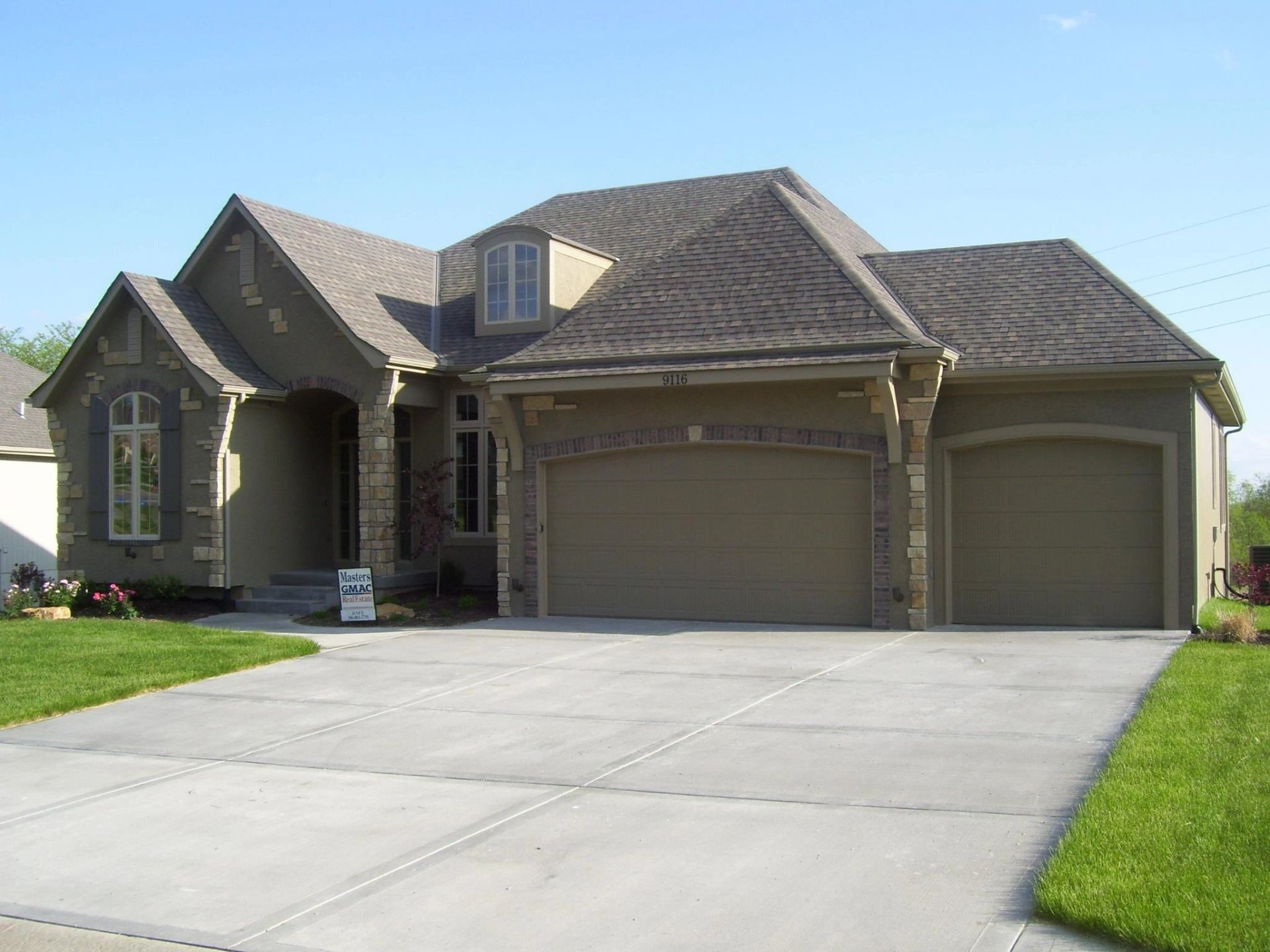
Did a recent hailstorm leave your roof with damage you can't see from the ground?
Hail damage is easy to miss because it usually doesn't punch a hole through the shingle. Instead it bruises the mat and knocks loose the granules that protect the shingle from the sun, which means a roof can look fine from the driveway while it's already failing underneath. Soft spots, dented gutters and vent caps, and granules collecting near the downspouts are the tells. The only way to know for certain is a close, slope-by-slope inspection right after the storm, before the damage has a chance to work its way into a leak months down the road.
Warning signs to watch for
Bruised, soft spots on the shingles
Hail hits leave soft, slightly dented spots where the mat has been bruised. They're easy to miss from the ground but show up clearly on a close inspection.
Granules piling up at the downspouts
Granule loss speeds up sharply after a hail hit. If you're seeing more grit than usual washing out of the gutters, that's a sign the shingles took a beating.
Dented soft metals
Gutters, vent caps, and AC fins dent easier than shingles, so damage there is a good indicator hail also hit the roof, even if the shingles look untouched.
Creased or lifted shingle edges near the damage
Hail impacts often coincide with wind, and the two together can crease and lift shingle edges. A creased shingle won't reseal on its own and becomes a future leak.
What is causing the damage
Direct hail impact on the shingle mat
Hailstones bruise the asphalt mat on impact, which weakens the shingle from within even when the surface looks intact.
Granule loss exposing the mat to sun
Once granules are knocked loose, the mat underneath is exposed to UV and ages far faster than the rest of the roof.
Aging shingles that bruise more easily
Older, more brittle shingles take hail damage harder than newer ones. If the roof was already near the end of its life, hail can be the tipping point toward replacement.
Wind accompanying the hailstorm
Hail rarely falls straight down. Wind that comes with it can lift and crease shingle edges at the same time hail is bruising the surface.
What to expect during the visit
We inspect and photograph every slope of the roof along with the gutters, vents, and any other soft metal that shows impact marks. We chalk and count hail hits per test square the same way an insurance adjuster does, so the documentation holds up if you file a claim. We also check siding, screens, and AC fins nearby for collateral damage from the same storm. Once we've walked the whole roof, we give you a straight answer on whether the damage is repairable or points toward a full replacement, and we explain what the insurance process looks like if there's a claim worth filing.
Related services you may need
If the hail damage is widespread enough to affect the whole roof, a full replacement may make more sense than patch repairs. And if you're planning to file a claim, our insurance claim assistance can help you understand the process from documentation to the adjuster meeting.
The cost of waiting
Hail damage doesn't heal itself. A bruised shingle keeps losing granules every time it rains, and the exposed mat ages faster with every UV cycle. What starts as a cosmetic issue can turn into a leak once the mat cracks or a seam finally gives way. Storm damage claims are also time-sensitive with most insurance policies, and damage left unreported long enough starts to look like ordinary wear and tear rather than storm damage, which can affect whether it's covered at all.
How do I know if my roof has hail damage?
The clearest way is a close inspection, since hail bruising and granule loss usually aren't visible from the ground. Signs like dented gutters, vent caps, or AC fins near the roof are a good clue that hail also hit the shingles, but a slope-by-slope walk is what confirms it.
Will my homeowners insurance cover hail damage repair?
Most homeowners policies cover hail damage, though what you pay out of pocket depends on your deductible and how the adjuster assesses the extent of the damage. A documented inspection is the starting point for any claim, and we can walk you through what to expect from there.
How soon after a hailstorm should I get my roof inspected?
As soon as you reasonably can. Insurance policies generally limit how long after a storm you can file a claim, and damage that sits unreported for a long stretch becomes harder to distinguish from normal wear and tear.
If a recent storm has you wondering about hail damage, give Signature Roofing a call for an inspection. We serve homeowners throughout the Kansas City Metro and can tell you plainly what we find.
Ready when you are.
A free inspection with photos, and a straight answer on what to do next.
What homeowners say about hail damage roof repair.
“I was given Gabe's number by a friend as I was having some problems with my roof leaking.. Gabe was very professional and personable..…”
“Gabe and his crew are true professionals. They do all my roof work!”
“This local roofing company was used not only by myself this Spring but my Dad as well. We are both pleased with the quality of work and the professionalism exhibited by Gabe and his team.…”
“Fast professional and friendly. They had my roof completed the same day. I highly recommend these guys! They are local to Kansas City and nearby when I had questions they are quick to respond.…”
“Really great service and attention to my questions and concerns...great local roofer .....would highly recommended”
“Gabe fixed my leaky roof and did a great job! Very professional same day fix and gave me a great price! Highly recommend him and I've used other roofers in the area.”
“I was given Gabe's number by a friend as I was having some problems with my roof leaking.. Gabe was very professional and personable..…”
“Gabe and his crew are true professionals. They do all my roof work!”
“This local roofing company was used not only by myself this Spring but my Dad as well. We are both pleased with the quality of work and the professionalism exhibited by Gabe and his team.…”
“Fast professional and friendly. They had my roof completed the same day. I highly recommend these guys! They are local to Kansas City and nearby when I had questions they are quick to respond.…”
“Really great service and attention to my questions and concerns...great local roofer .....would highly recommended”
“Gabe fixed my leaky roof and did a great job! Very professional same day fix and gave me a great price! Highly recommend him and I've used other roofers in the area.”
“I was given Gabe's number by a friend as I was having some problems with my roof leaking.. Gabe was very professional and personable..…”
“Gabe and his crew are true professionals. They do all my roof work!”
“This local roofing company was used not only by myself this Spring but my Dad as well. We are both pleased with the quality of work and the professionalism exhibited by Gabe and his team.…”
“Fast professional and friendly. They had my roof completed the same day. I highly recommend these guys! They are local to Kansas City and nearby when I had questions they are quick to respond.…”
“Really great service and attention to my questions and concerns...great local roofer .....would highly recommended”
“Gabe fixed my leaky roof and did a great job! Very professional same day fix and gave me a great price! Highly recommend him and I've used other roofers in the area.”
“I was given Gabe's number by a friend as I was having some problems with my roof leaking.. Gabe was very professional and personable..…”
“Gabe and his crew are true professionals. They do all my roof work!”
“This local roofing company was used not only by myself this Spring but my Dad as well. We are both pleased with the quality of work and the professionalism exhibited by Gabe and his team.…”
“Fast professional and friendly. They had my roof completed the same day. I highly recommend these guys! They are local to Kansas City and nearby when I had questions they are quick to respond.…”
“Really great service and attention to my questions and concerns...great local roofer .....would highly recommended”
“Gabe fixed my leaky roof and did a great job! Very professional same day fix and gave me a great price! Highly recommend him and I've used other roofers in the area.”
- Strong spring storms bring hail and high winds to the Kansas City area, and we help you assess and repair the damage before it turns into a bigger problem.